The situation
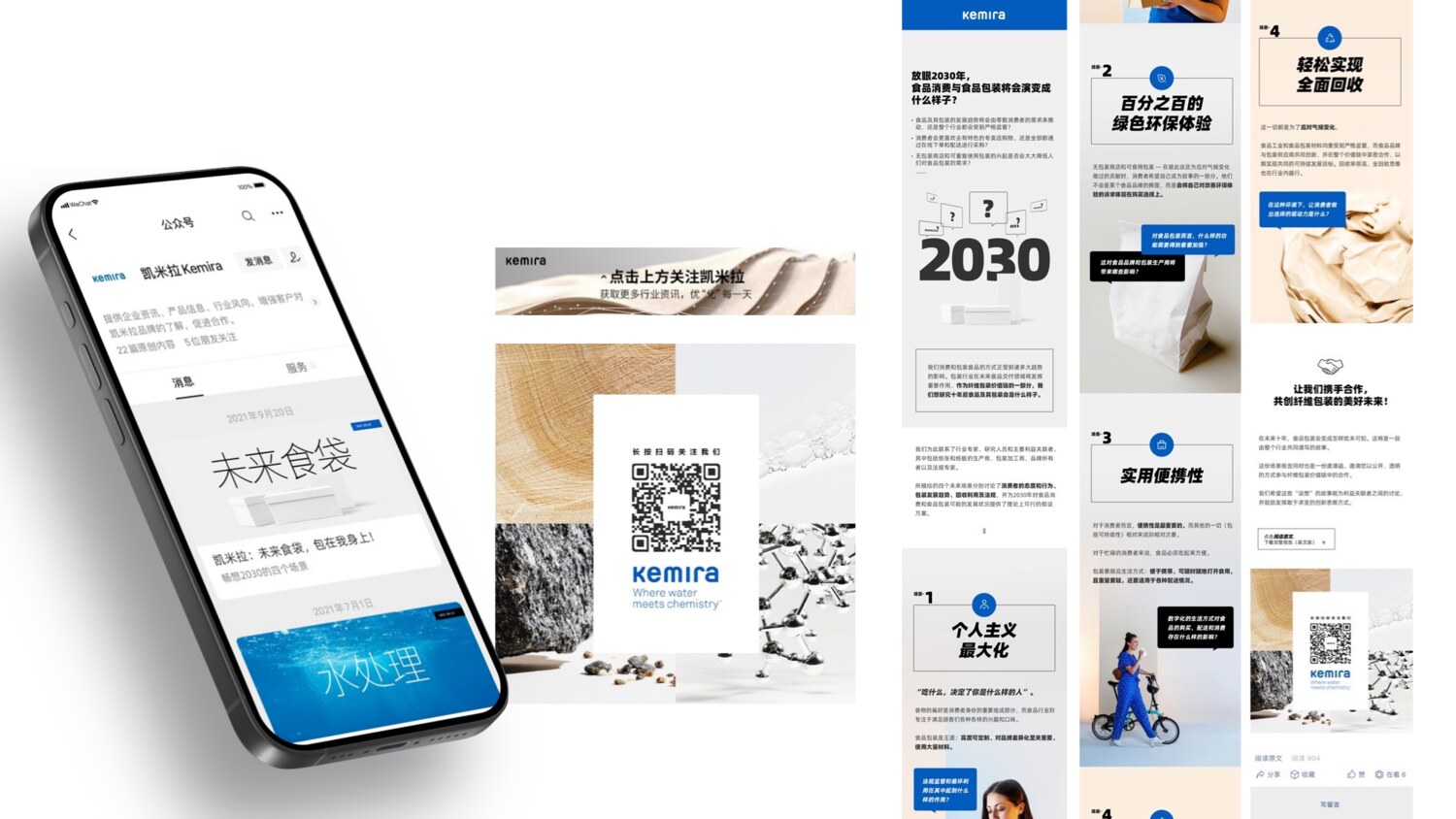
APR is a Shanghai boutique built out of ex-4A leadership, and I'm the senior client partner across a portfolio that doesn't normally sit in one book: Kemira (Finnish industrial chemicals, selling polymers to paper and water-treatment buyers), IKEA, a medical-device account, and premium lifestyle. B2B and B2C, all foreign-headquartered, all needing to live on WeChat for a Chinese audience.
Each arrived with the same problem in a different costume. The B2B clients had dense, technically correct global propositions, polymer specs and device whitepapers, that meant nothing to a Chinese reader on a phone and that legal wouldn't let us publish loosely. The B2C clients had global platforms (sustainability, circular economy) that read as generic when dropped into China unchanged. HQ in Helsinki and Älmhult assumed "translate it." The market needed something else.
The trap most agencies fall into is treating this as a copy problem: hand it to a translator, ship it, hit the deadline. That produces literally accurate content nobody engages with, and B2B clients who quietly churn because the work feels like a vendor filling a calendar.
The decision
I treated the technical proposition as a content-strategy problem, not a translation problem, and standardized how the whole portfolio gets produced so I could carry B2B and B2C at once without the work degrading. Three commitments followed.
- Translation is strategy. A polymer spec doesn't become a Chinese case study by being translated. It becomes one by being re-decided: which benefit leads, which proof a Chinese buyer trusts, which claims legal and R&D will stand behind under GB standards. That is account-partner judgment, not a copywriter's task.
- Adaptation is cultural, not linguistic. Re-deciding marketing content for a Chinese audience, B2C especially, is the judgment a translator can't make: what a local reader trusts, what reads as foreign or tone-deaf, what actually lands. That instinct comes from being of the culture and fluent in the international one at once. I'm native Mandarin, internationally educated, and I've sat on both the global-HQ and the China-market sides of the table. It is exactly the seat this work needs.
- Standardize the factory so range is affordable. If every brand ran a bespoke, hero-piece workflow, one person couldn't credibly hold a Finnish chemicals account and IKEA at once. So I built a modular content library and standardized production through KAWO. Reuse and a shared pipeline are what make the B2B⇄B2C range deliverable on a lean team.
The strategy
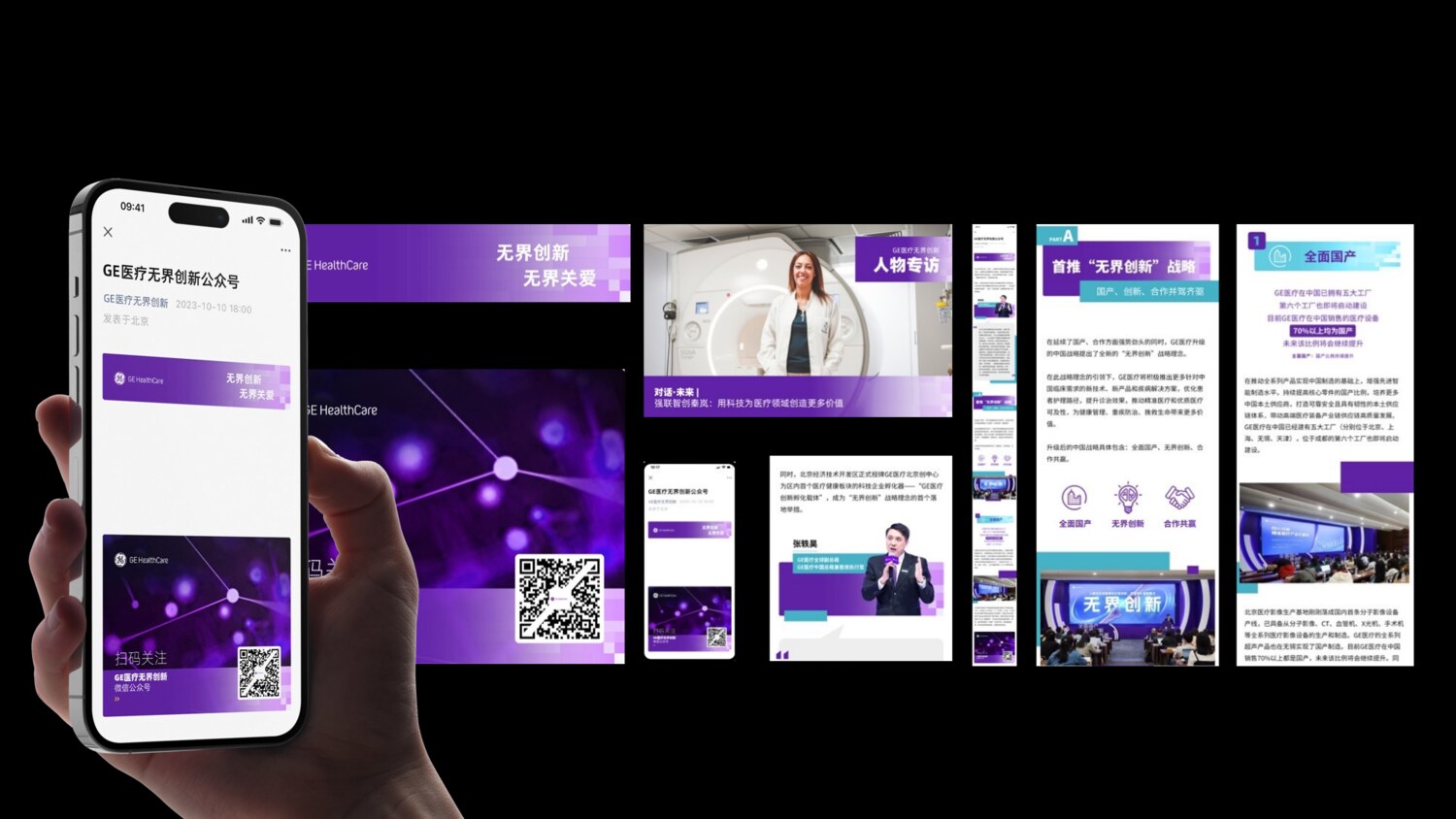
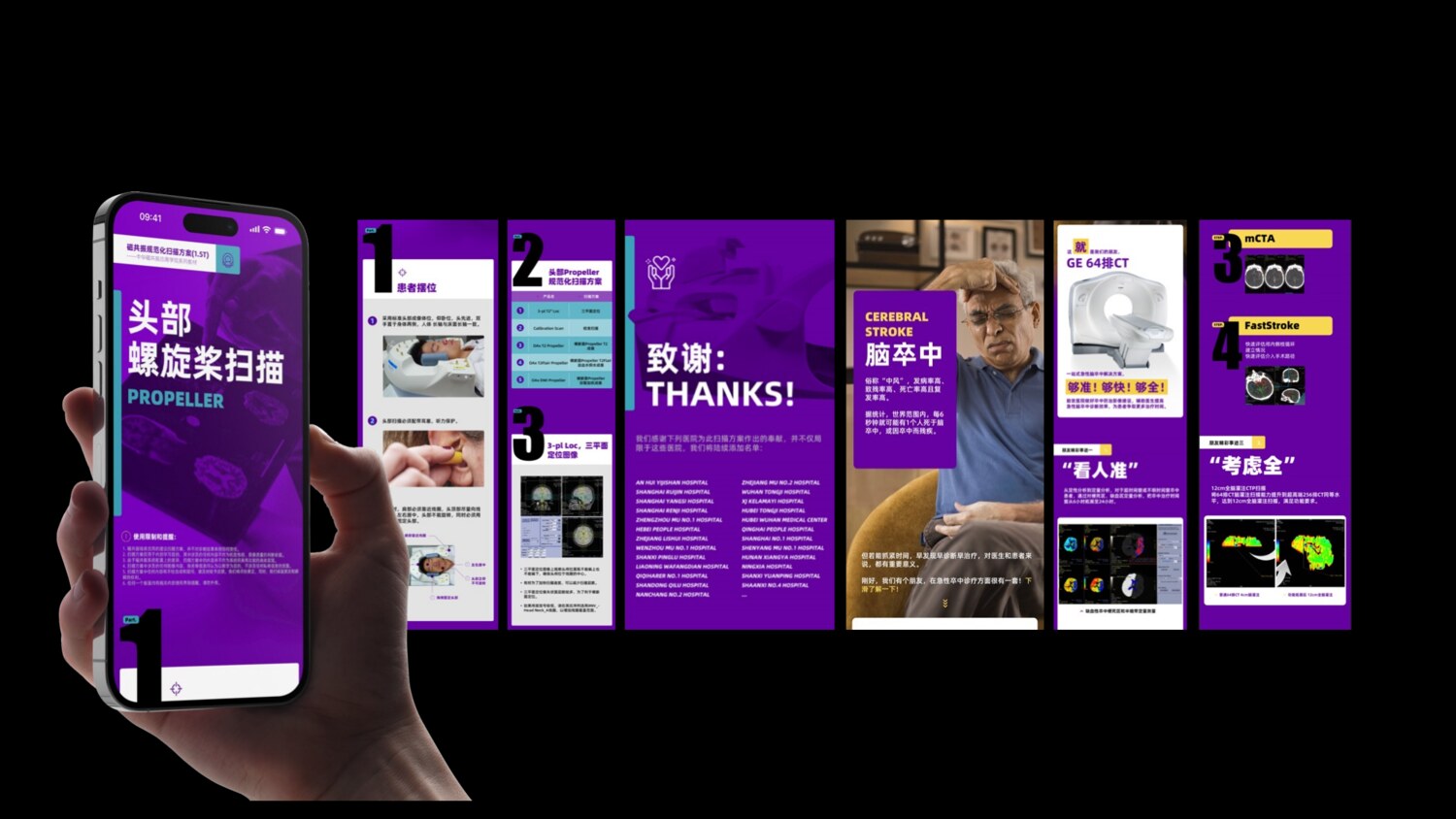
Modular content library (the B2B engine). For the technical accounts I stopped treating each piece as a one-off. I built a library of reusable modules: a sustainability-benefit explainer, an application case-study frame, a proof block, a compliance-checked claims set, all recombinable per topic and per market. For the medical-device client this meant whitepaper and training material could be customized quickly across Asia-Pacific instead of rewritten each time. The library is the asset; individual posts are just configurations of it.
Compliance baked in, not bolted on. Rather than write first and let legal cut later, I aligned R&D and legal up front on a GB-standard-compliant claims set. That meant the strategically sharp version and the legally publishable version were the same version: no rewrite cycle, no watered-down final draft. For regulated B2B in China this is the difference between content that ships and content that dies in approval.
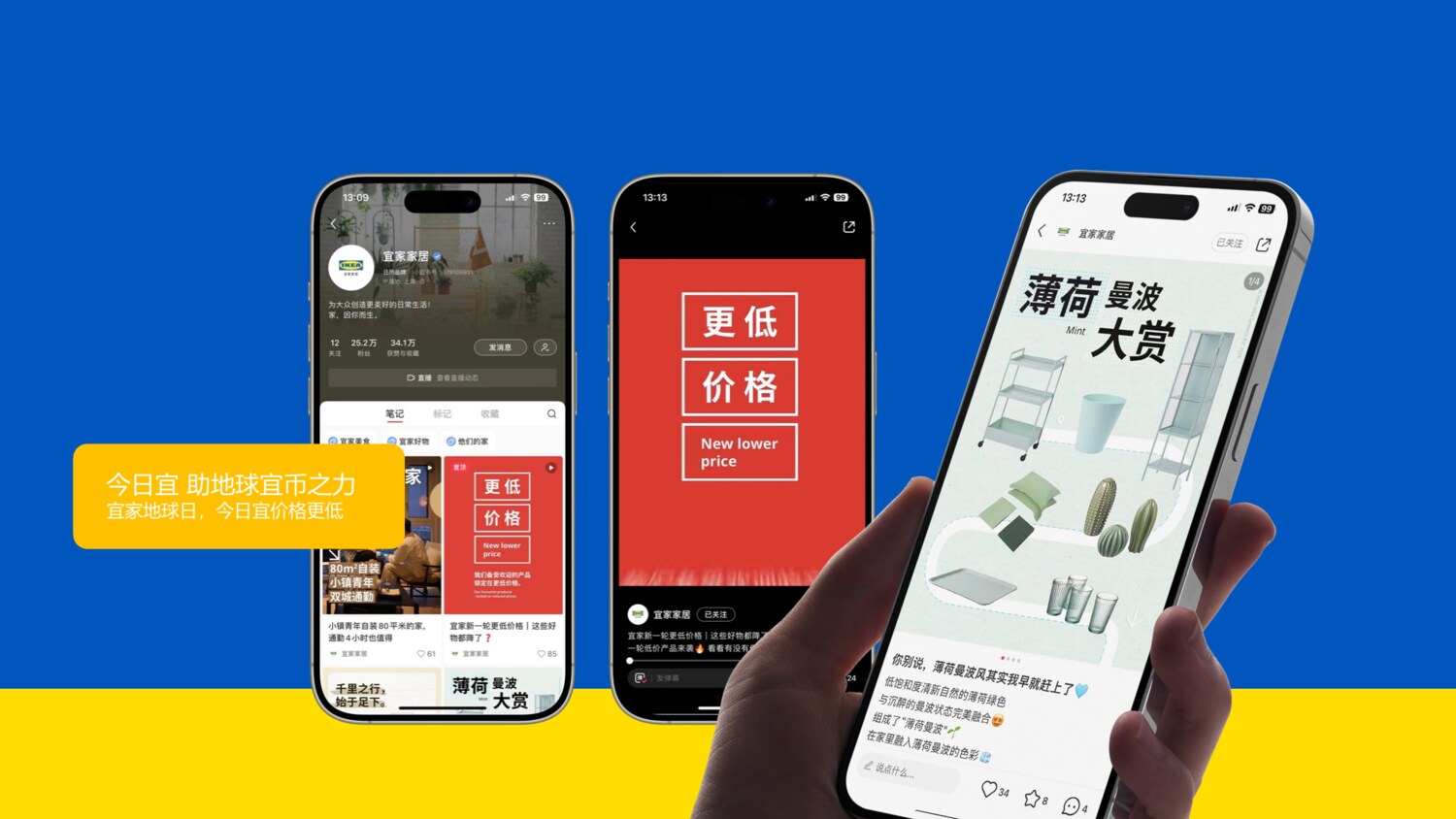
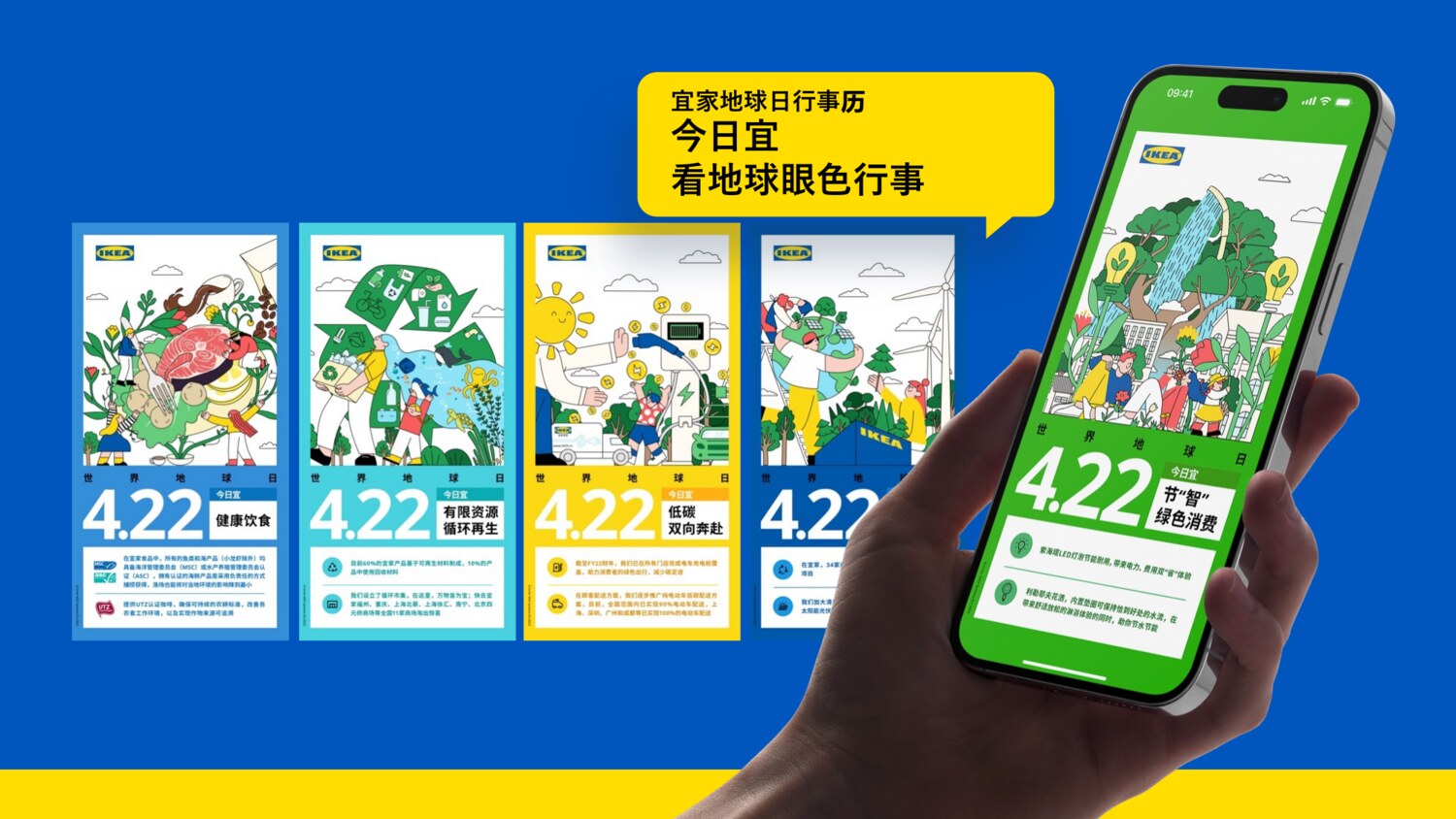
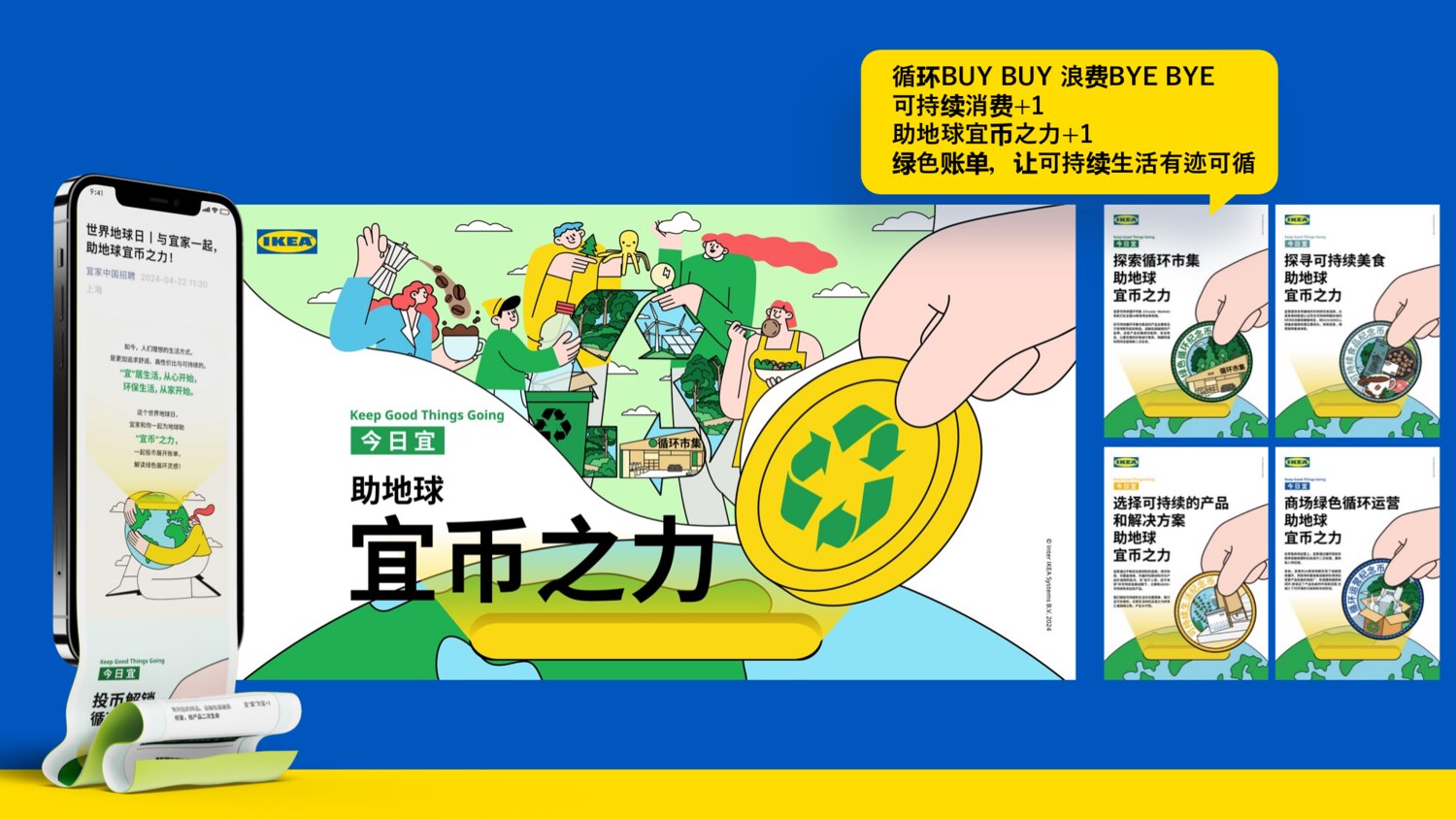
Localization as a brand decision (the B2C side). For IKEA I didn't translate the global sustainability platform. I re-expressed it as something a Chinese consumer acts on. The circular-economy and Earth Day work became "small change, big difference" lifestyle content: assembly-as-upgrade, sustainable consumption framed as everyday choices, not corporate ESG language. Same brand spine, China-native expression.
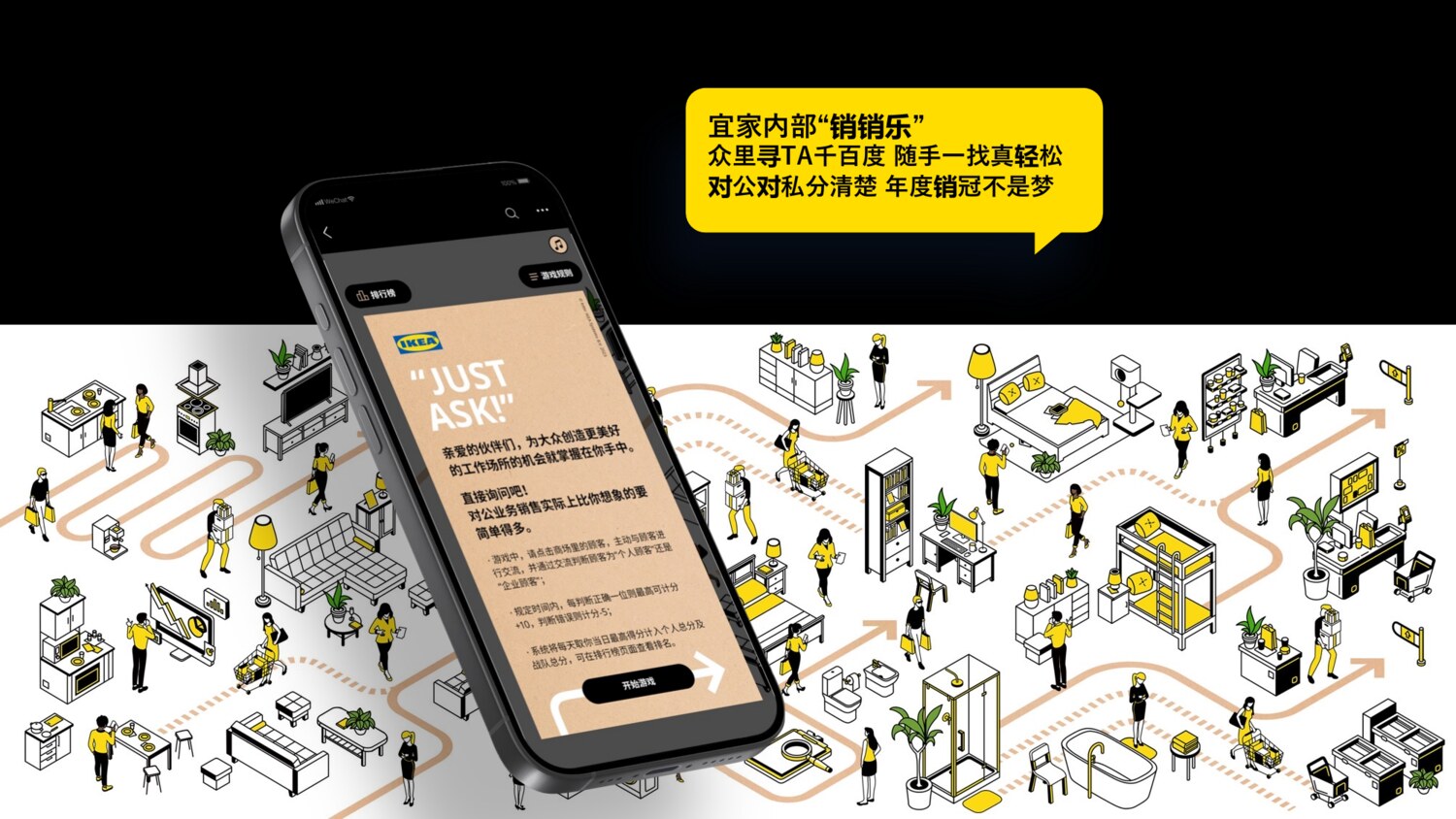
Standardized production through KAWO. Across the whole roster I ran content through a single KAWO-based workflow: shared calendars, structured cross-regional approval, version control that survives staff churn. This is what let one senior partner hold a portfolio this wide without turnaround slipping.
Found, not just translated: SEO and GEO. A re-decided article still has to be discovered. So content is engineered to surface where Chinese audiences actually search (WeChat in-app search, Baidu, and RedNote/Douyin discovery), and, increasingly, to be the source the generative answer engines cite when a buyer asks the question (GEO, generative-engine optimization). Structured, well-titled, claim-clean content is what gets a foreign brand found and trusted, whether the reader is a person or the AI answering them.
Execution
- Sat as the primary client contact for the portfolio: feedback loops, performance reporting, calendar ownership (annual / quarterly / monthly), and campaign optimization. This is the day-to-day relationship work that retains accounts.
- Ran the R&D + legal alignment for the technical accounts so claims were GB-compliant before drafting, not after.
- Built and maintained the modular library that fed Kemira's technical sustainability content and the medical-device account's Asia-Pacific whitepaper/training customization.
- Localized IKEA's global sustainability and Earth Day platforms into China-native WeChat content (circular economy, assembly-as-lifestyle).
- Standardized the KAWO workflow across the roster for cross-regional approval and faster turnaround.
- Held the two registers simultaneously, engineer-grade precision and legal caution for B2B, warmth and lifestyle fluency for B2C, switching by account, often in the same week.
Result
- +30% engagement on the technical content versus the client's standard product material. The modular, re-decided approach measurably beat straight translation.
- +20% account retention / organic growth. Clients stayed and the books grew, which on the agency side is the real verdict on client-partner work.
- −25% production turnaround via the standardized KAWO workflow, the efficiency that made carrying B2B and B2C together sustainable.
The deeper result is the proof of range: the same person, in the same period, kept a Finnish industrial-chemicals account engaged and made IKEA's sustainability message land with Chinese consumers, and made both economically deliverable on a lean team.
What this demonstrates
This is the agency-side half of the both-sides-of-the-table story. The brand-side cases show me as the client buying and directing agencies; this one shows me as the senior client partner inside the agency, accountable for retention, range, and delivery.
Client leadership, agency-side. I owned foreign-brand relationships end to end, from primary contact to reporting to optimization, and turned that into +20% retention and organic growth. (Stated plainly: my APR title is Senior Account Manager, not Lead. This is senior client-partner work, framed honestly as such.)
Cross-functional, lean-team delivery. Aligning R&D and legal on a GB-compliant claims set, and standardizing production through KAWO to cut turnaround 25%, is lean cross-functional delivery. It's the operating mode a boutique runs on.
The B2B ⇄ B2C pivot, proven literally. Kemira (Finnish industrial chemicals) and a medical-device account on one side; IKEA and premium lifestyle on the other. It is the exact range a premium-brand agency needs: dense, compliance-bound B2B (finance, industrial) and warmth-led premium B2C (Galeries Lafayette, Montagut and peers). It's the pivot I already run weekly.
Translation-as-strategy is the throughline. Foreign brands don't need their content translated; they need it re-decided, culturally, strategically, and for how China actually searches, under real constraints. That is the consulting job.